
 972-530-3884
Key Takeaways
- Texas extreme cold weather can create internal stress inside concrete and masonry.
- Rapid temperature swings during a Texas cold front weather event accelerate wear.
- Moisture expansion is the hidden force behind freeze-related damage.
- North Texas clay soil adds another layer of structural movement.
- Early inspections prevent long-term deterioration.
You wake up one morning in Plano or Wylie and the temperature has dropped 35 degrees overnight. The lawn is frozen. The air feels sharp. The news is talking about a “hard freeze warning.”
But here’s something most homeowners don’t think about:
While you’re protecting your pipes, what’s happening to your patio?
In North Texas, Texas extreme cold weather doesn’t linger for months. It hits fast, freezes hard, and then disappears just as quickly. That sudden shift is exactly what puts stress on outdoor structures like patios, driveways, retaining walls, and masonry features.
And the damage isn’t always obvious right away.
What Happens to Concrete During a Texas Freeze?
Concrete expands internally when trapped moisture freezes, creating pressure that can weaken the slab over time.
When temperatures drop below freezing, moisture inside concrete expands. Even well-installed concrete absorbs small amounts of water over time because it’s naturally porous. That moisture settles into microscopic capillaries within the material.
A single cold night may not cause visible damage. However, Texas weather patterns create rapid temperature shifts that increase structural stress.
During a typical Texas cold front weather system, temperatures can plunge overnight and rebound within a day or two. That rapid freeze–thaw cycle forces concrete to expand and contract repeatedly within a short period. This repeated movement places stress on the internal structure of the slab.
Over time, that stress can contribute to gradual crack widening, surface scaling, edge deterioration, and increased vulnerability to soil movement beneath the patio.
Sudden temperature fluctuation is a primary factor in long-term freeze-related wear.
Why North Texas Conditions Make It More Complicated
Concrete doesn’t sit in isolation. It rests on soil, and in our region, that soil matters.
North Texas is known for expansive clay. When moisture levels change, clay soil swells and contracts. During Texas extreme cold weather, the ground can temporarily harden, then quickly soften again as temperatures rise.
This movement underneath the slab increases structural stress.
So now you have three forces happening at once:
- Internal moisture expansion
- Rapid temperature fluctuation
- Soil movement beneath the slab
When homeowners ask why patios suddenly feel uneven or why small cracks appear after a freeze, it’s often the combination of these three factors working together.
That’s why proper base preparation and reinforcement are so important in patio construction.
You can see examples of structurally reinforced installations on our Concrete Patios Dallas page.
How Does Texas Extreme Cold Weather Affect Masonry?
Masonry behaves a little differently than poured concrete, but it’s still vulnerable.
Brick and stone are durable materials, yet mortar joints are more porous. When moisture seeps into those joints and freezes, expansion weakens the bond between units.
Over time, this can result in:
- Flaking brick surfaces (spalling)
- Gaps forming between mortar lines
- Loose stone caps
- White residue known as efflorescence
If your home includes outdoor fireplaces, columns, or decorative stonework, it’s especially important to monitor these areas after a strong cold front.
Freeze Impact Comparison: Concrete vs Masonry
To simplify how materials respond during a freeze, here’s a quick reference chart:
This doesn’t mean every freeze causes damage. But repeated exposure to Texas extreme cold weather increases risk, especially as structures age.
What Are the Early Warning Signs of Freeze Damage?
One of the biggest misconceptions is that freeze damage looks dramatic. In reality, it usually starts subtly.
You might notice a hairline crack that wasn’t there before. A section of patio that feels slightly uneven. A mortar joint that looks thinner. Water pooling in a new location.
These small changes are often early indicators that the material experienced stress during a recent freeze.
Because the effects of Texas cold front weather events are cumulative, early detection makes a significant difference.
Does Professional Installation Really Matter?
Absolutely. At Decathlon Construction, we don’t just focus on appearance. We design outdoor spaces that account for:
- Soil movement
- Drainage control
- Expansion joint placement
- Reinforcement strength
- Long-term climate exposure
Founded in 2003, our team understands how North Texas conditions influence concrete and masonry performance. Proper base compaction and structural reinforcement significantly reduce the risk of freeze-related deterioration.
Built for Texas Weather, Not Just Looks
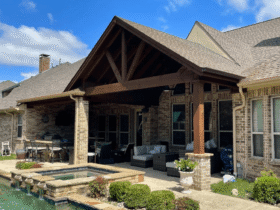
Texas extreme cold weather may only last a few days each winter, but the structural effects can linger far longer.
If you’ve noticed subtle changes in your patio, driveway, or masonry after a recent cold front, it’s worth having a professional evaluate the condition before minor stress becomes major repair.
At Decathlon Construction, we build and repair outdoor living spaces designed for North Texas conditions, from summer heat to unexpected winter freezes.
If you’d like an expert evaluation of your patio or masonry, contact our team today.
Protect your investment now, before the next cold front rolls through.
 972-530-3884